Aviation
Cathay Pacific and Google launch AI collaboration to study contrail avoidance
3 min read
By WhitesWolf1
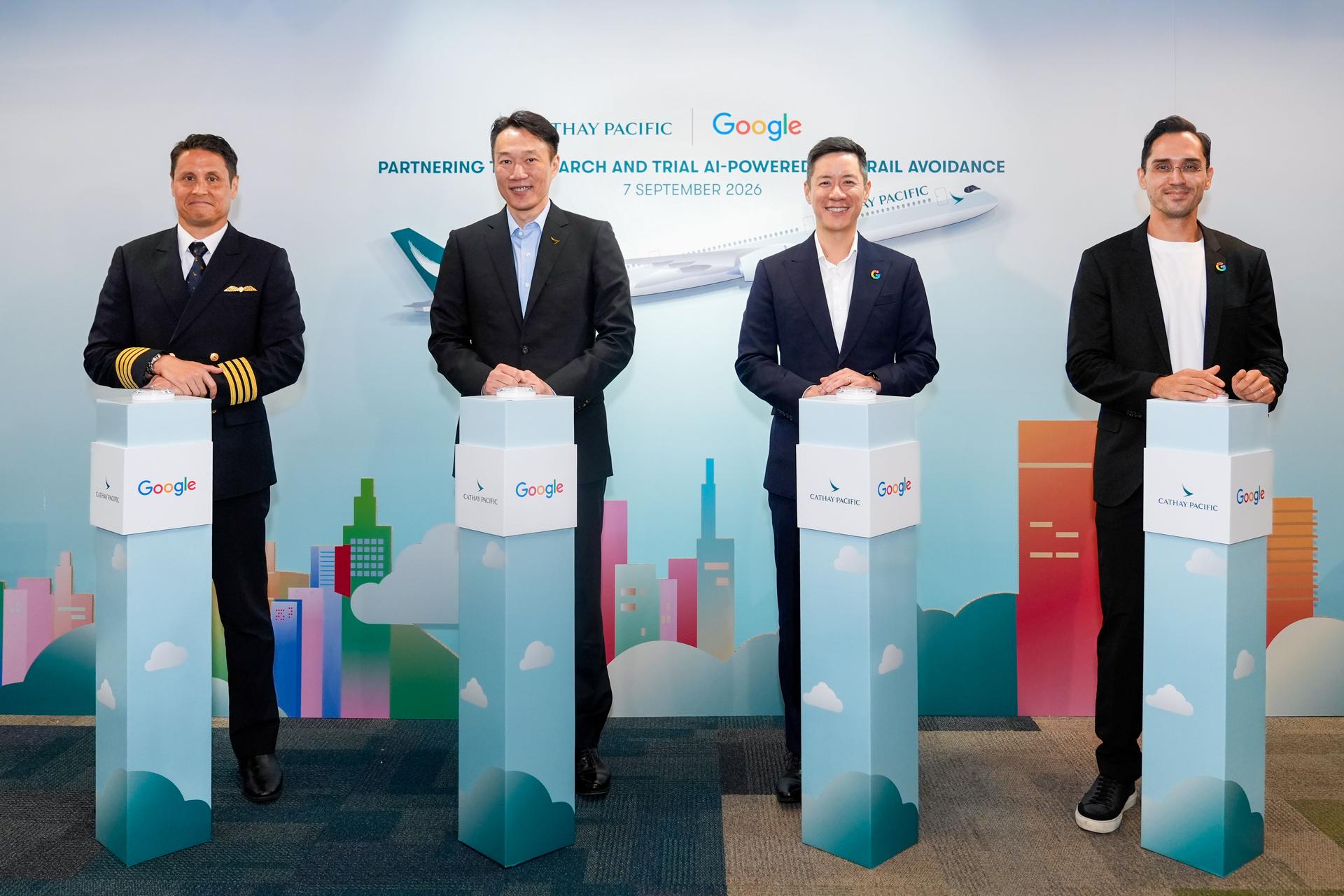
Cathay Pacific and Google today announced a strategic partnership to harness artificial intelligence and operational flight data in a bid to better understand and mitigate the climate effects of aviation contrails. Cathay Pacific becomes Google’s first commercial airline partner in the Asia‑Pacific region and the world’s first carrier to trial the technology on ultra‑long‑haul routes.
Contrails is the white line‑shaped clouds formed when aircraft fly through cold, humid layers of the atmosphere can sometimes persist and spread into larger cloud systems that trap heat. Recent studies suggest that persistent contrails may account for roughly one‑third of aviation’s total climate impact, rivaling the warming effect of CO₂ emissions.
Google’s contrail‑avoidance solution combines AI prediction models, satellite‑based detection tools, and vast meteorological datasets to accurately forecast areas prone to contrail formation. Flight dispatchers and pilots can then adjust cruising altitudes to steer clear of these regions that much like today’s practice of avoiding turbulence thereby preventing contrails from forming in the first place.
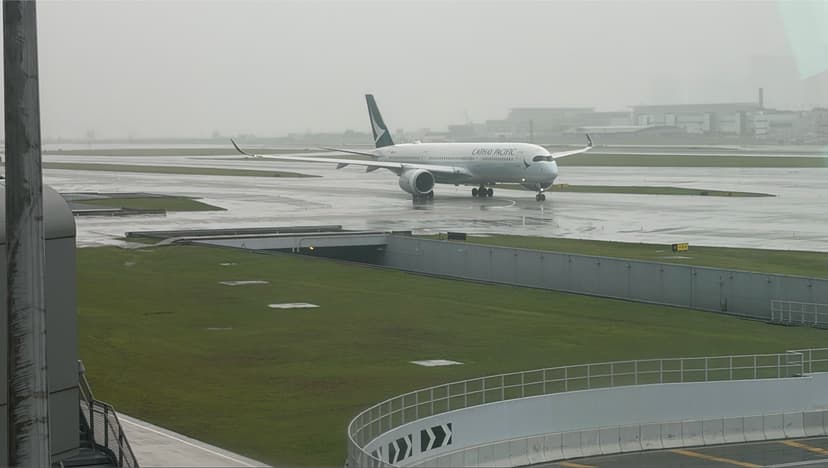
On the operational side, Cathay Pacific leverages its modern fleet and onboard connectivity. Pilots receive real‑time dynamic contrail forecasts and operational updates via the airline’s in‑house Electronic Flight Folder (EFF) system, allowing them to make informed routing decisions without disrupting normal flight operations.
The collaboration began in late 2025, has now been applied to over 100 Cathay Pacific flights, with more than 80 adopting contrail‑avoidance routes. According to Google’s estimates, these flights reduced the contrail‑related climate impact by approximately 40%. The Hong Kong–Singapore corridor where atmospheric conditions frequently favour the formation of long‑lasting contrails has been a key focus. Preliminary analysis indicates that only minor altitude adjustments are needed to avoid contrail formation, and this single route accounted for more than half of the total climate benefit achieved during the trial.
Given the relative scarcity of contrail research in the Asia‑Pacific region, the partnership is expected to generate valuable data that will deepen the industry’s understanding of contrail behaviour and mitigation strategies in this part of the world.
“Aviation needs solutions to tackle climate change, and AI is accelerating that progress,” said Nelson Fung, Director of Digital and Information Technology at Cathay Pacific. “This partnership combines our deep operational expertise with Google’s cutting‑edge AI capabilities to address a large‑scale and complex sustainability challenge.”
Cathay Pacific remains committed to a multi‑pronged decarbonisation strategy, including fleet modernisation, operational efficiency improvements, and the use of sustainable aviation fuel (SAF). The collaboration with Google marks another milestone in the airline’s sustainability journey and sets a new benchmark for innovative climate action across the aviation sector.