Asia
Japan's Stealth Marketing Law at 3: What Gets Brands Caught
Japan made undisclosed advertising illegal on October 1, 2023. The public enforcement record since then is small, consistent and slightly strange: almost none of it involves the influencer posts people pictured when the rule arrived.
6 min read
By WhitesWolf1
Three years after Japan banned undisclosed advertising, enforcement has centred on brands that strip "#PR" labels from influencer posts. An August case against the SNOW photo app suggests that is starting to change.
TOKYO — When a Kobe supplement maker recruited models in 2025 to post about Nobirun, its growth supplement for children, the posts did exactly what Japanese rules require, stating plainly that the company had asked for them.
The problem came later, when Takamitsu Pharmaceutical clipped images from those posts and ran them on its own website and its Rakuten and Yahoo! Shopping storefronts under the line "Hugely popular on social media too!", with the disclosure cut out.
On June 29, 2026, Japan's Consumer Affairs Agency (CAA) ordered the company to stop. In a distinction that matters, investigators found the models' original posts lawful and treated only the company's reposts as stealth marketing.
That distinction reveals a great deal about how Japan's ban on sutema, short for "stealth marketing," works in practice, and the timing is apt: the rule marked its third anniversary on October 1.
A rule aimed at the advertiser
Japan's stealth marketing rule took effect in October 2023, not as a new law but as a designated category of misleading representation under the Act against Unjustifiable Premiums and Misleading Representations, the country's main advertising law. It bans ads that ordinary consumers cannot recognise as coming from a business.
Two design choices set it apart. Liability falls on the advertiser rather than the influencer, unlike in the United States, where the Federal Trade Commission expects creators themselves to disclose. And accuracy is no defence: an honest review is still unlawful if a business is hiding behind it.
The penalties are mostly reputational. Violators are ordered to stop, publicise the violation and prevent a repeat, and their names are published on the agency's website. Unlike other misleading-ad violations, stealth marketing carries no administrative surcharge, and criminal penalties of up to two years' imprisonment or a ¥3 million fine apply only to companies that ignore an order.
How Japan compares
By international standards, Japan's approach is light. Other major markets back their disclosure rules with large fines, and several hold influencers responsible alongside the brands that pay them.
Market | Who is liable | Maximum penalty |
|---|---|---|
Japan | Advertiser only | Stop order and public naming; criminal penalty only if the order is ignored |
United States | Advertiser and influencer under FTC endorsement guidance | Up to $53,088 per violation under the 2024 rule on fake reviews and testimonials |
United Kingdom | Business; fake and concealed incentivised reviews banned since April 2025 | £300,000 or 10% of global turnover, whichever is higher |
European Union | Business, under the Unfair Commercial Practices Directive | At least 4% of annual turnover for widespread cross-border breaches |
South Korea | Advertiser and influencer, under 2020 guidelines | 2% of related sales or ₩500 million |
The comparison is especially pointed in the SNOW case. South Korea, home to Snow Corporation, tightened its own rules in 2020 after a scandal over undisclosed sponsorships by popular mukbang YouTubers, and it had already fined seven companies, including Dyson and Amorepacific, over undisclosed Instagram campaigns the year before. In Japan, the same conduct earned a stop order and a published name.
What gets caught
The public record now holds roughly a dozen stealth marketing cases. Until this summer, nearly all of them fit one of two patterns.
The first is buying reviews. The first order under the rule, in June 2024, went to a Tokyo internal medicine clinic that offered ¥550 off flu shots in exchange for four- or five-star Google Maps reviews. In March 2025, an orthodontic clinic in Setagaya was ordered to stop offering ¥5,000 gift cards or treatment discounts for five-star reviews.
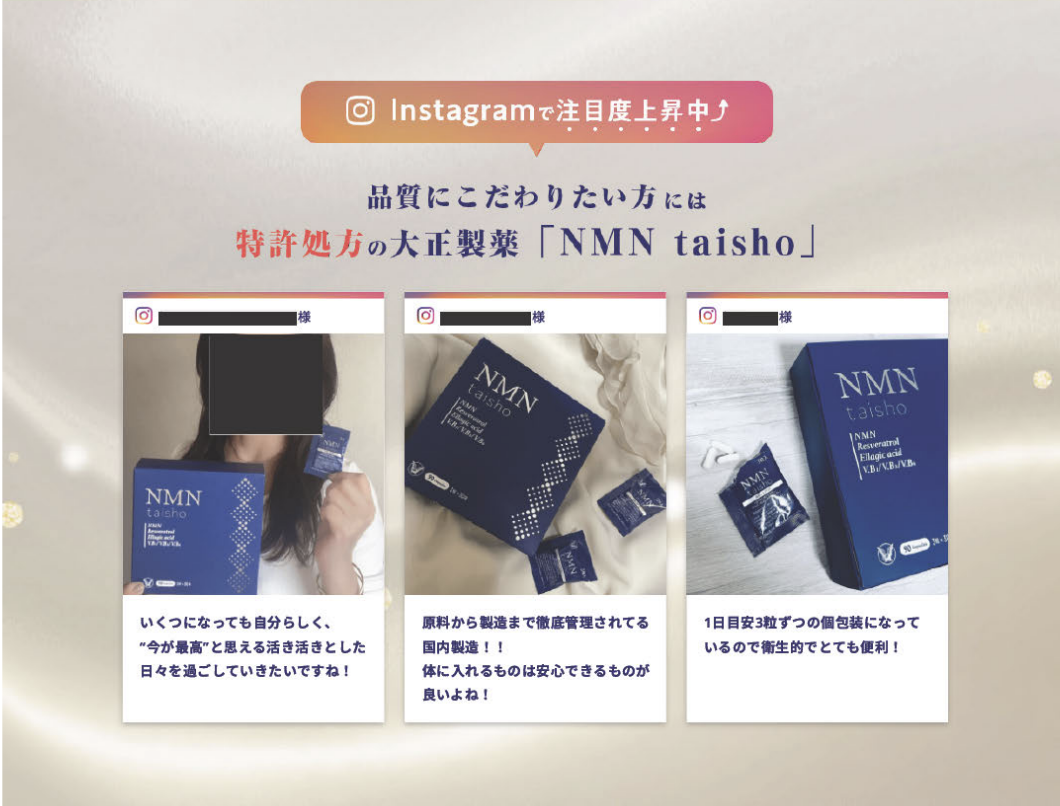
The second, and more common, is the repost. Gym chain chocoZAP presented commissioned influencer comments as "customer voices" on its website, while Taisho Pharmaceutical asked influencers to tag their posts "#pr" and then quoted them on its online store without the tag. Nobirun followed the same script.
Hitomi Yamada, a lawyer at Nozomi Sogo Attorneys at Law who analysed the early cases, sees a detection problem. An unlabelled paid post looks exactly like a genuine one, and proving otherwise takes contracts, messages or invoices that investigators have little reason to go looking for without a lead.
The two patterns that do get caught both leave evidence in plain view. A clinic's review page that suddenly fills with five-star ratings looks wrong from the outside, and so does a brand's product page quoting Instagram posts with no "PR" anywhere in sight.
The SNOW case
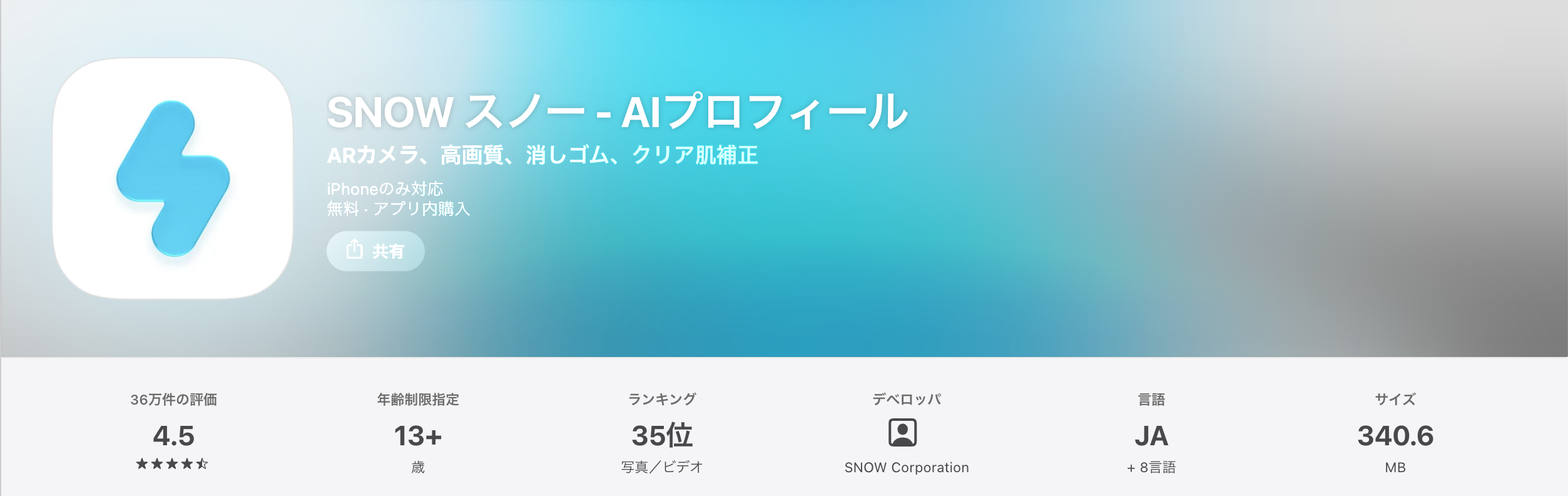
That pattern changed on August 6, 2026, when the CAA ordered South Korea's Snow Corporation and its Japanese unit, SNOW Japan, to stop promoting the photo-editing app SNOW through undisclosed influencer posts.
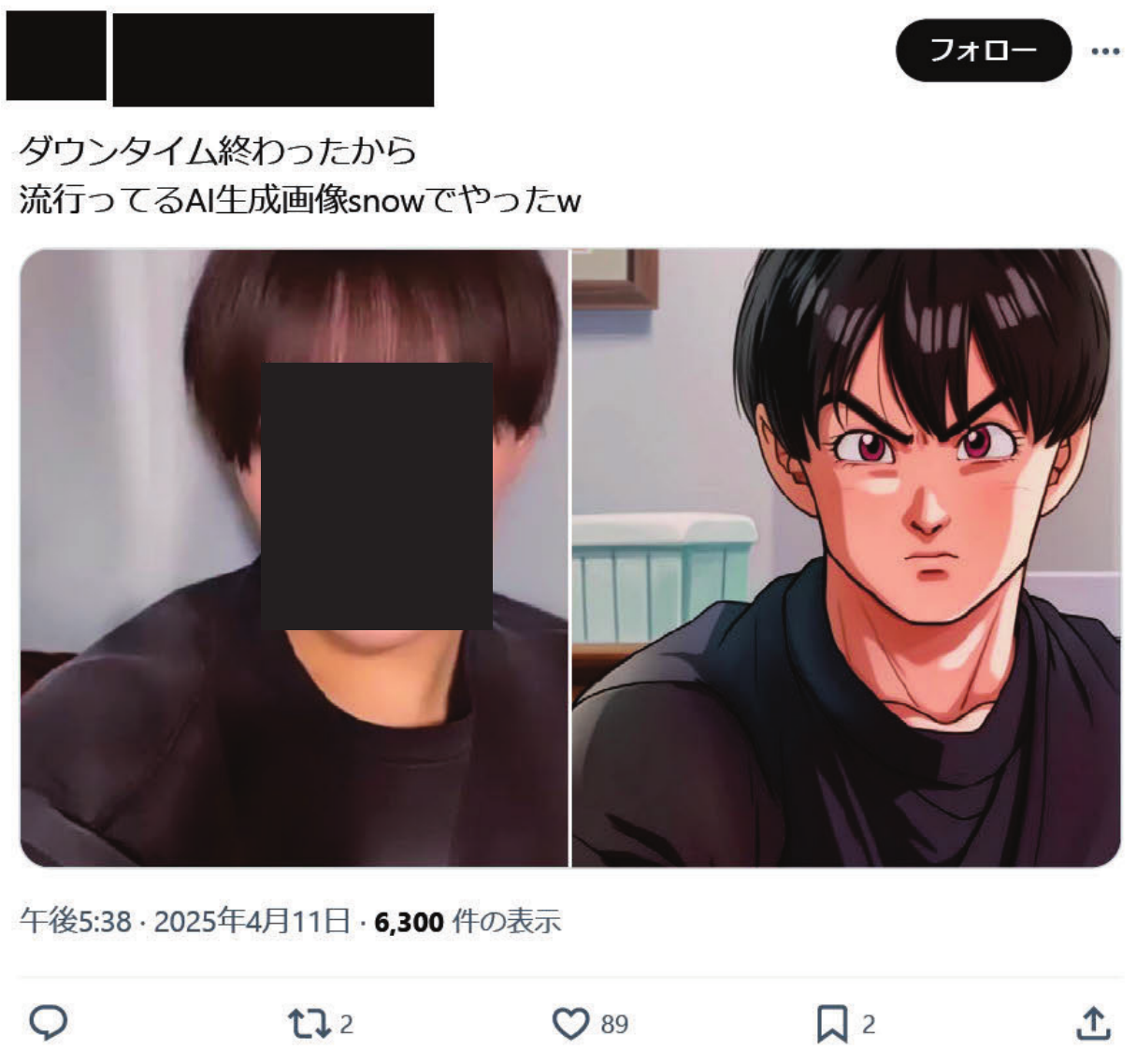
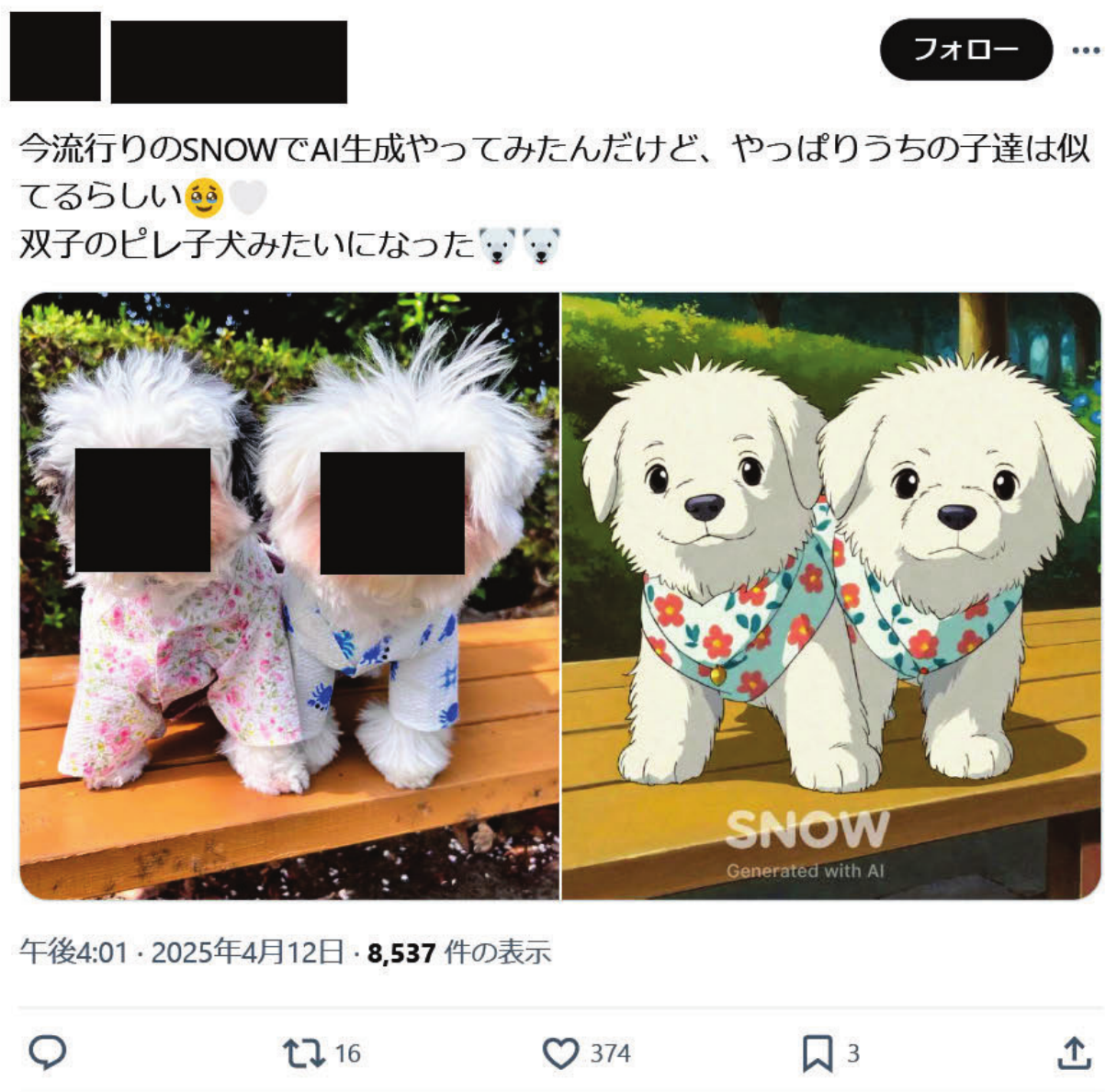
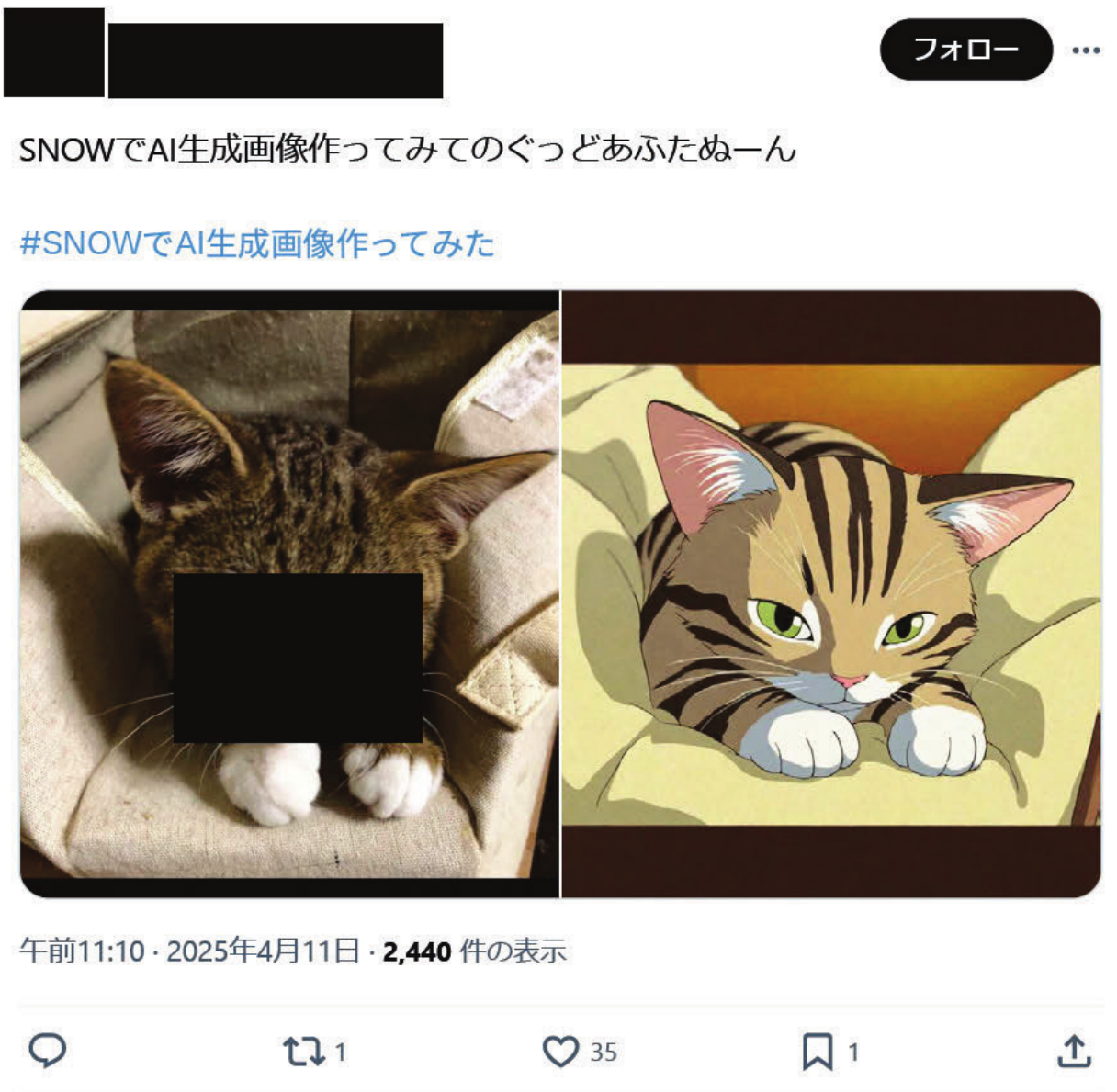
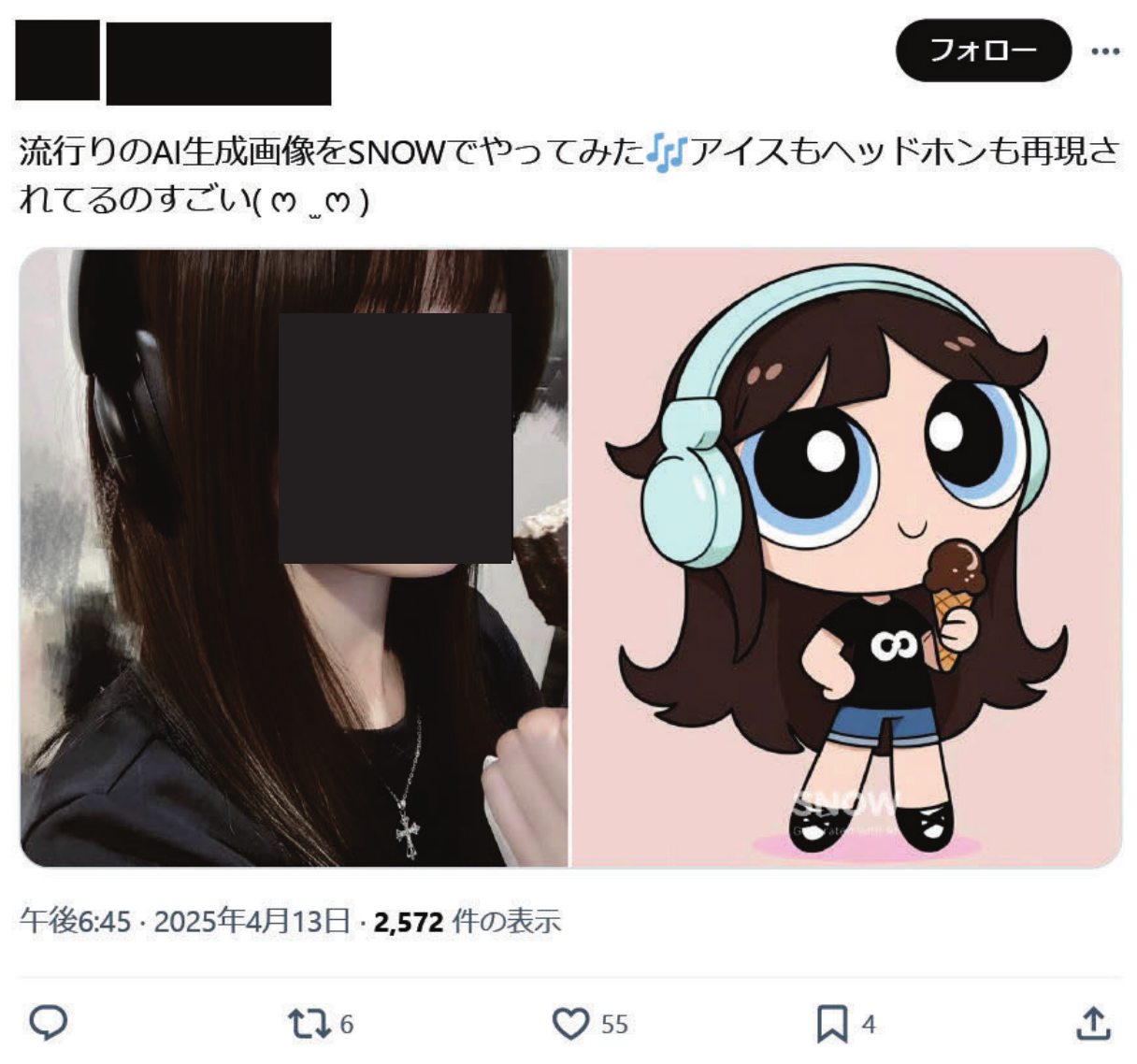
The X posts cited in the Consumer Affairs Agency's August 6, 2026 order against Snow Corporation and SNOW Japan. Source: Consumer Affairs Agency website.
From around April 2025, the company paid influencers to post images edited with the app on X, along with lines such as "tried it with SNOW." More than 70 posts were involved, some of them still visible as late as June 2026, and the company had written the post text itself.
It appears to be the first published order over the case many expected when the rule launched: a creator's own paid post, with no label, on the creator's own account.
It also fits Yamada's theory rather than breaking it. The same company-written phrasing, repeated across dozens of accounts, is exactly the kind of surface signal an investigator can spot without seeing a contract.
What it means for brands
For brands marketing to Japanese consumers, foreign companies included, the cases point to two practical lessons.
First, a disclosure has to survive every reuse of a post, from screenshots and banners to testimonial pages and marketplace listings; every repost case so far began with a correctly labelled original.
Second, scripting a creator's words carries its own risk, since in the SNOW case the agency treated company-written copy as the company's own ad, wherever it ran.
Three years in, "#PR" is routine on Japanese social media. The cases suggest the harder problem is what happens to the label after the post goes up, and that regulators are slowly learning where to look.