Finance
Hong Kong Stocks Tumble as Iran Crisis Rattles Markets; HSI Dives Over 1,000 Points
2 min read
By WhitesWolf1
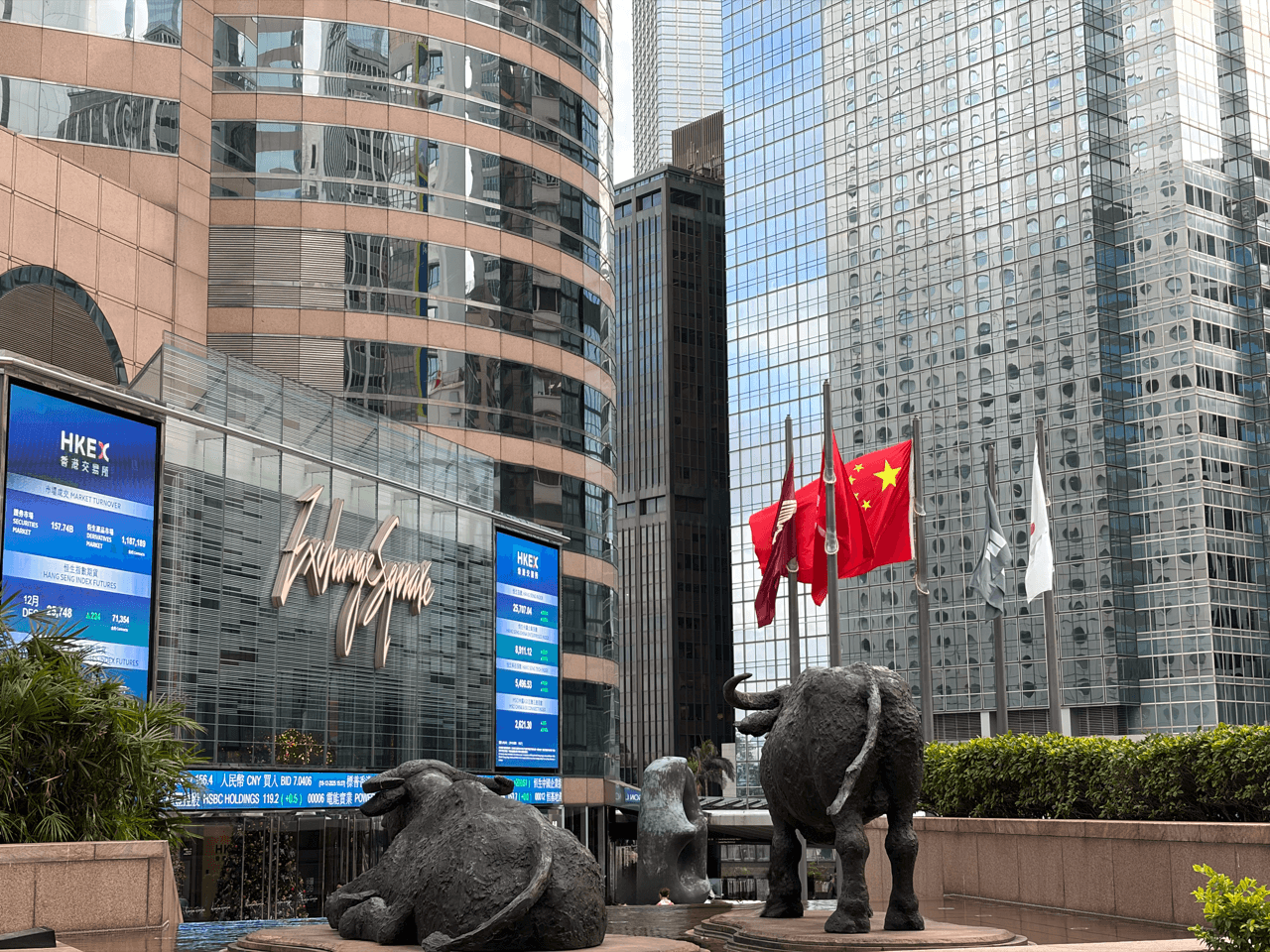
Hong Kong's Hang Seng Index (HSI) plunged sharply on Monday, shedding over 1,000 points intraday as escalating tensions between the United States and Iran rattled global markets and sent commodity and tech stocks into a tailspin.
The benchmark index opened 488 points, or 1.9%, lower at 24,789, a steep drop from Friday's close of 25,277 before extending losses past the 1,000-point threshold in afternoon trade. The HSI was last seen trading around 24,287, reflecting a decline of nearly 3.9% on the day. The broader Hang Seng China Enterprises Index (HSCEI) opened down 1.6% at 8,433, while the Hang Seng Tech Index (HSTECH) lost 1.9% at the open to 4,780.
Iran Fears Spark Broad Selloff
The selloff was primarily driven by deepening geopolitical anxieties after U.S. President Donald Trump escalated threats against Iran, stoking fears over potential disruptions to crude oil flows through the Strait of Hormuz. The IEA was reported to be discussing the release of emergency oil stocks, with analysts comparing the current crisis to the oil shocks of the 1970s.
Commodities Stocks Lead Losses
Gold and resource stocks bore the brunt of the selling. Chifeng Gold (06693.HK) sank as much as 19% after Zijin Mining (02899.HK) announced the acquisition of a controlling stake in the miner through the purchase of A-shares worth approximately RMB 18.3 billion. Zijin Mining itself fell 5.4%. Other miners including Zhaojin Mining, China Gold International, and SD Gold dropped between 4.2% and 4.5%. Base metals also came under heavy pressure, with CMOC, MMG, and Chalco all cratering more than 4%.
Tech Stocks Also Under Pressure
Technology heavyweights were not spared. Tencent (00700.HK) fell 1.7%, while Alibaba (09988.HK), JD.com (09618.HK), and Meituan (03690.HK) each dropped between 2.3% and 3.5%. Baidu (09888.HK) was among the worst performers in the sector, cascading 4.2%.
Turnover Surges
Total market turnover surged to over HK$132 billion, reflecting heightened trading activity amid the broad-based panic selling.
Analysts cautioned that markets may remain volatile as investors await further developments on the U.S.-Iran diplomatic front and assess implications for global energy supply chains.