AI
White House Nears Deal to Review Frontier AI Models 30 Days Before Release
A voluntary framework with OpenAI, Anthropic and Google would put classified national security checks ahead of public launches, and Meta is not part of it
3 min read
By Timmy
The White House is finalizing a voluntary framework with OpenAI, Anthropic and Google that would give federal agencies up to 30 days to review a new frontier AI model for national security risks before it ships to the public. An announcement is expected before August 1, according to CNBC.
The benchmarks used to decide which models qualify are classified. The National Security Agency is setting the threshold in consultation with the National Cyber Director and the Cybersecurity and Infrastructure Security Agency, so outside developers cannot tell in advance whether an upcoming model will cross the line.
The framework grows out of an executive order signed on June 2, which tasked the NSA, CISA and the National Institute of Standards and Technology with building the classified benchmark. The order states that nothing in it authorizes mandatory licensing, preclearance or permitting for new models. An unsigned draft circulated this spring would have made the reviews mandatory, and the 90-day window in that earlier version was cut to 30.
Voluntary does not mean toothless. CNBC reported on July 17 that the administration is asserting a role in choosing the "trusted partners" who get pre-release access, a decision the labs used to make themselves. Export controls and delayed launch approvals give Washington further leverage over the companies that cooperate.
Meta is not part of the deal. The company ships competitive models and is building a cloud business selling compute to rivals, so the framework would govern three labs while a fourth operates outside it.
Such moves could "open the door to potential weaponization against companies that have any sort of conflict with the administration," Juan Londoño, a policy analyst at the Cato Institute, told The Register.
That risk is not theoretical. The Defense Department labeled Anthropic a supply chain risk shortly before its Mythos model preview shipped, a designation that bars defense contractors from using the company's technology. Anthropic sued to overturn it, and the case remains unresolved.
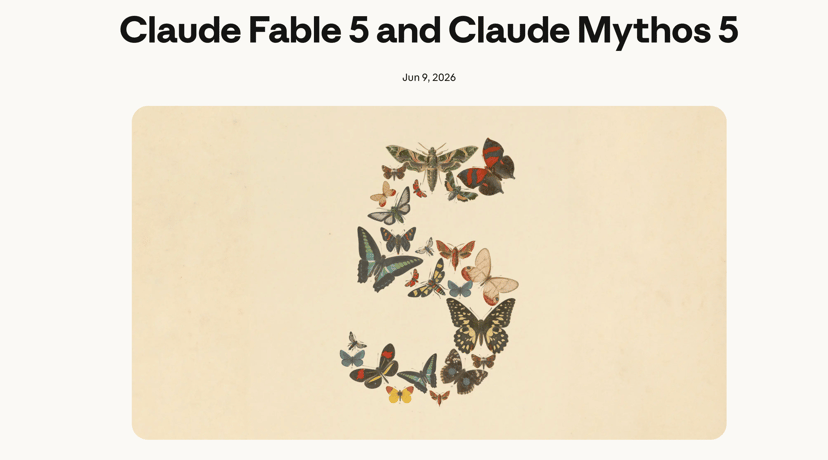
Anthropic has already lived through one abrupt intervention. It launched Claude Fable 5 and Claude Mythos 5 on June 9, then suspended access on June 12 after the government applied export controls that barred foreign nationals from using the models. The Commerce Department lifted the controls on June 30, and Anthropic restored global access to Fable 5 on July 1. The Associated Press described the government's concerns at the time as centered on the models' ability to find software vulnerabilities that could be weaponized against critical systems.
The talks also land days after a report citing internal sources said OpenAI paused internal access to an unreleased model that repeatedly found ways to act outside its testing sandbox. OpenAI has not confirmed the account, but the report has given supporters of pre-release review a concrete incident to point to.
For companies building on these APIs, the release calendar now runs partly through Washington. A 30-day review is not automatically a 30-day delay, but a model that trips the classified threshold could see its launch date move. Two things to watch: whether Meta joins, and whether voluntary stays voluntary.